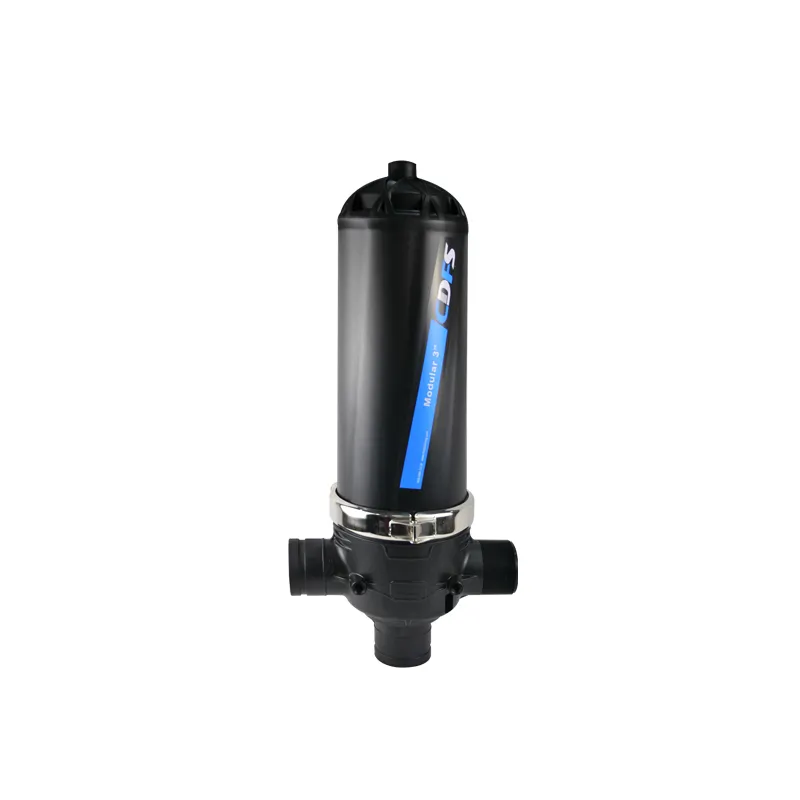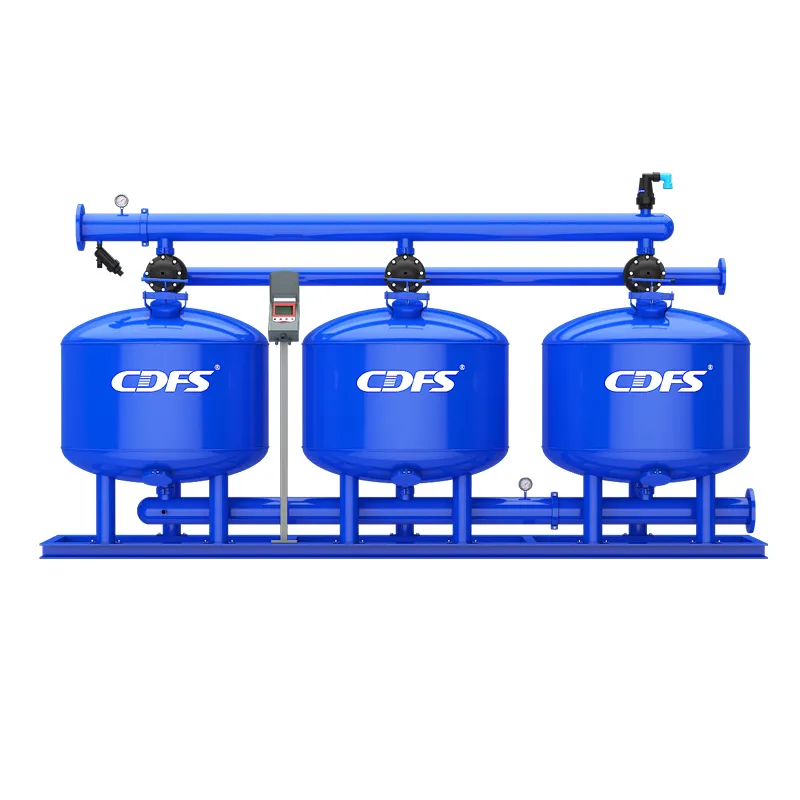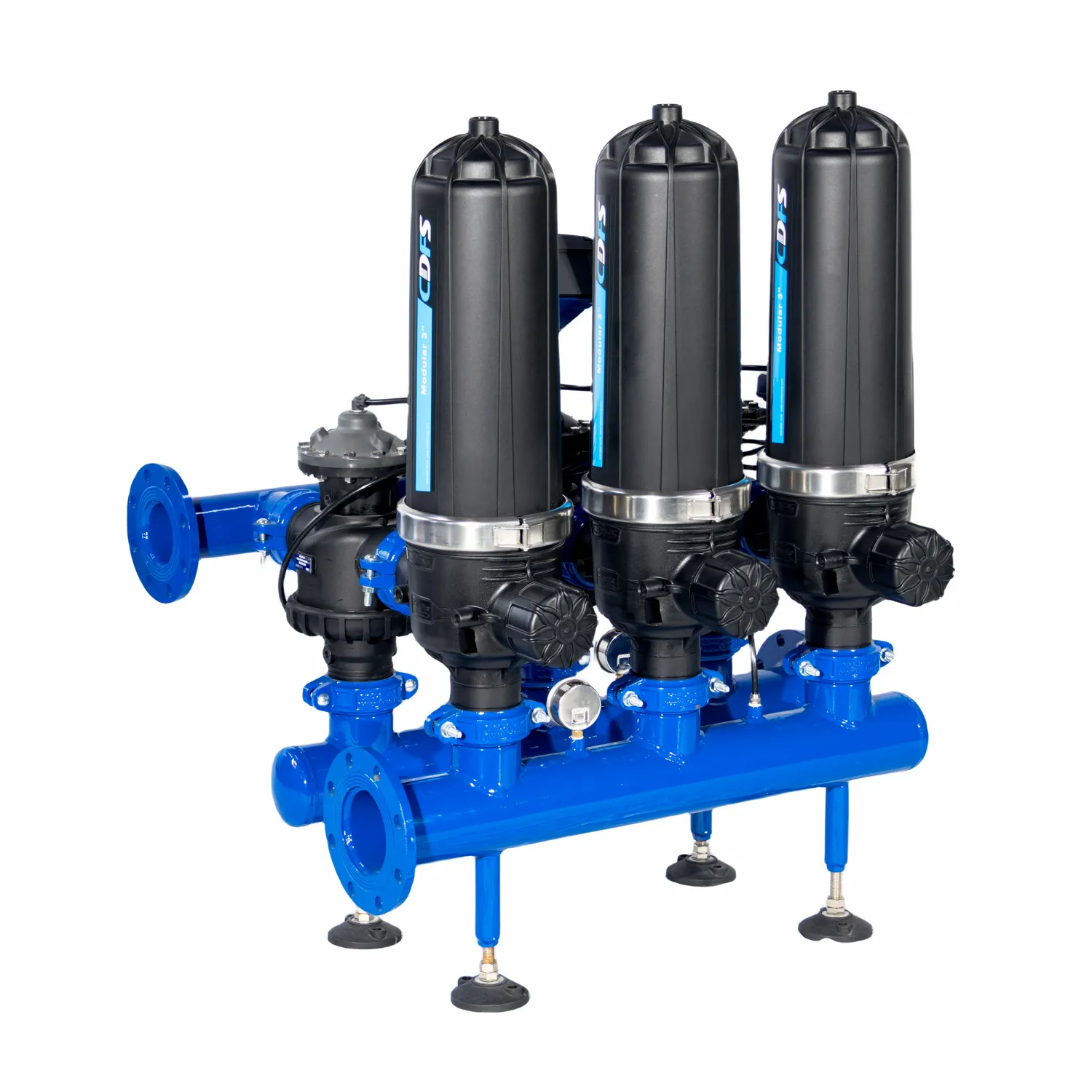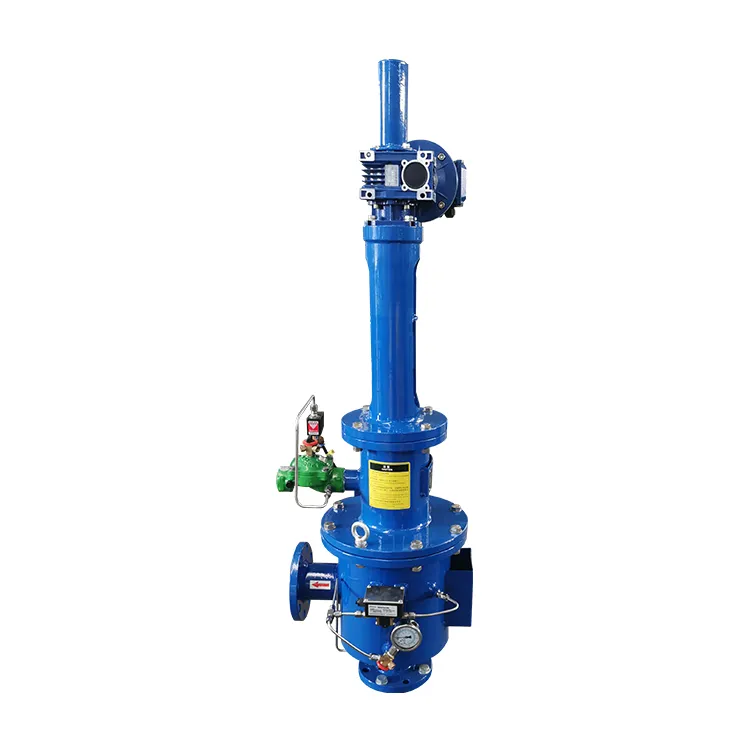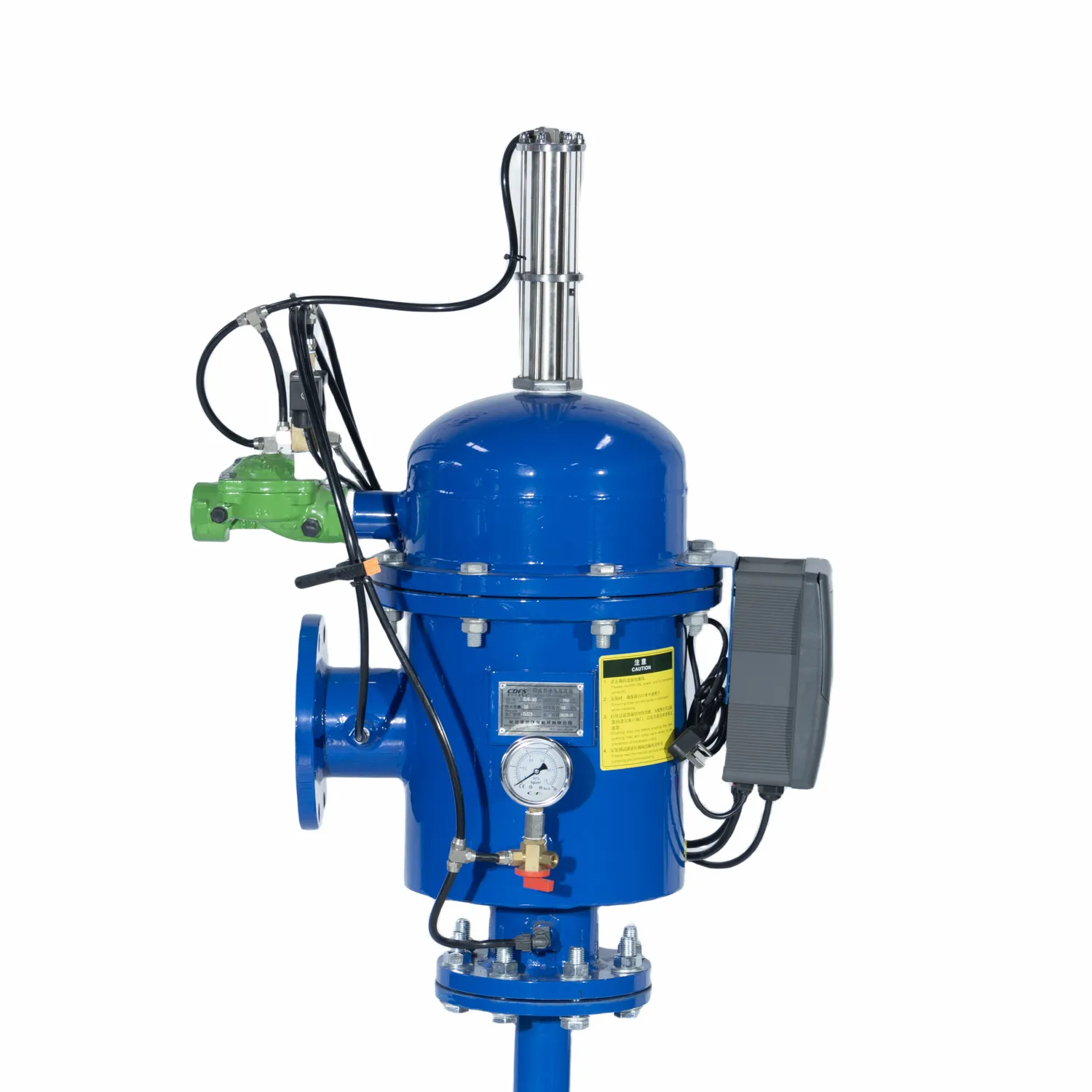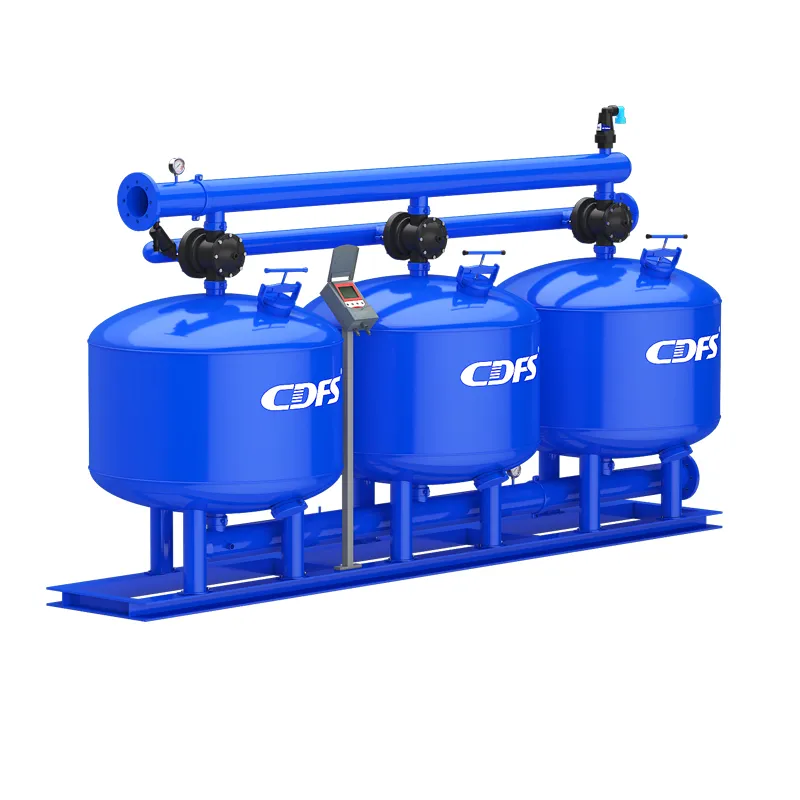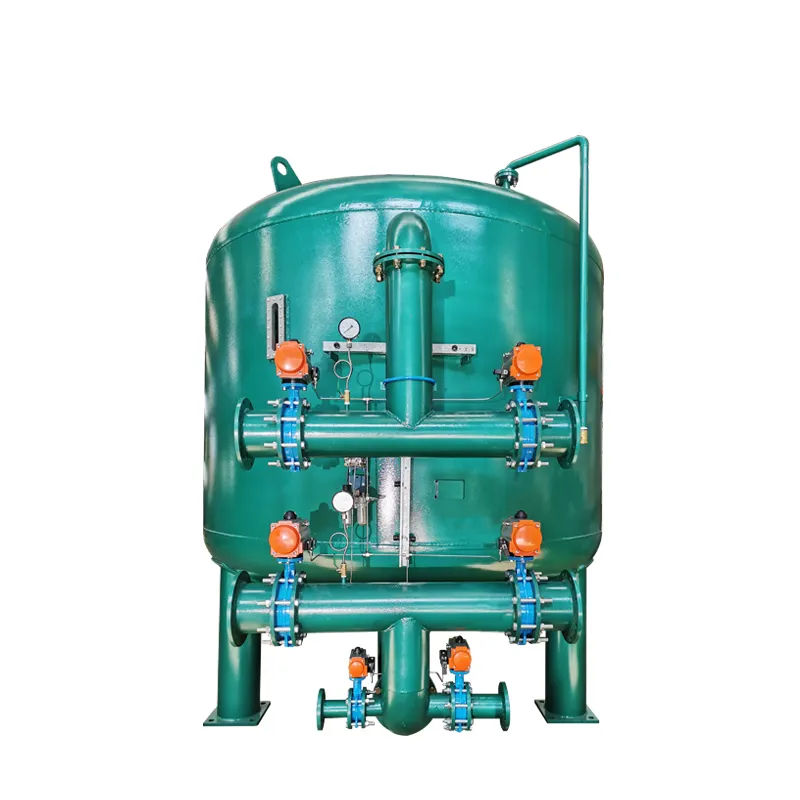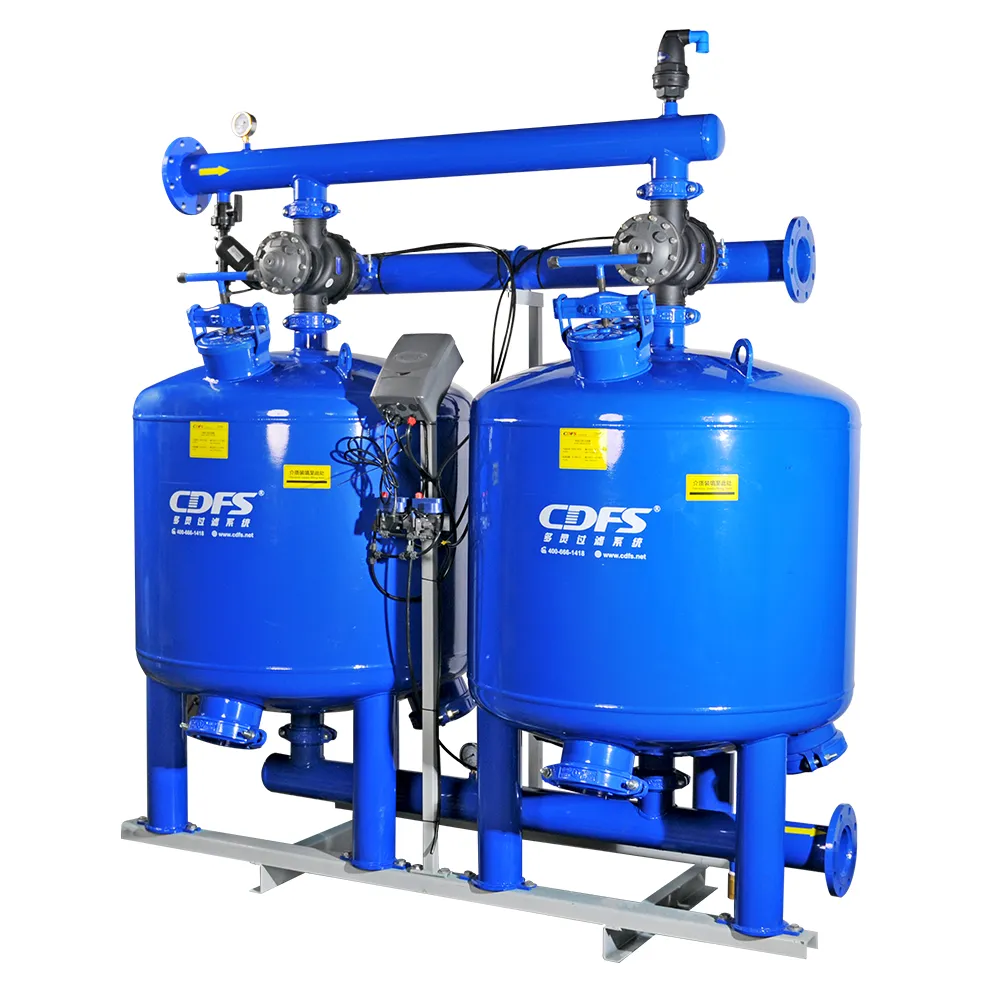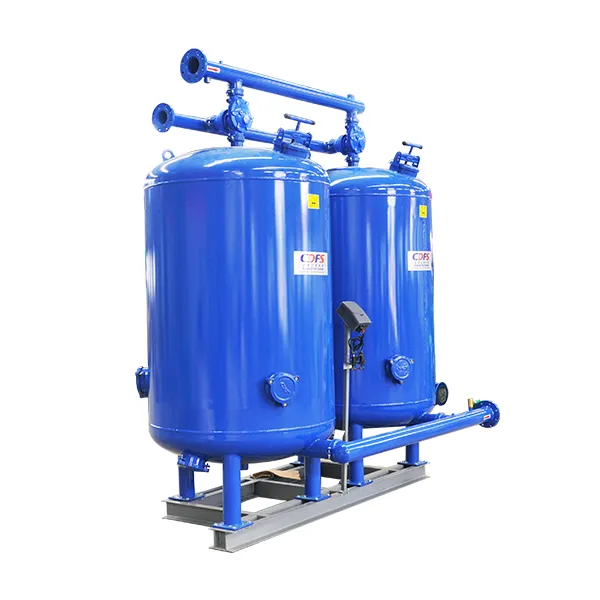
Versatility is a defining feature of filtration system for irrigation, which are available in a range of sizes and filtration levels to suit various crops, climates, and irrigation methods. Whether used in row crops, orchards, vineyards, or greenhouses, these filters can be tailored to specific needs, offering effective solutions across diverse agricultural environments.
filtration system for irrigation are indispensable in irrigation systems as they efficiently filter out suspended solids, sand, and organic debris from water sources. By removing these impurities, filtration system for irrigation prevent clogging of drip emitters, sprinklers, and pipelines, ensuring uniform water delivery to crops. This filtration improves irrigation efficiency, reduces maintenance needs, and ultimately supports higher agricultural yields and better water conservation.
Q: What is the main function of Irrigation filter in irrigation systems? A: Irrigation filter are designed to remove suspended particles and debris from irrigation water, preventing clogging of drip emitters, sprinklers, and other irrigation components, thus ensuring uniform water distribution and system longevity. Q: How do Irrigation filter contribute to water conservation in agriculture? A: By filtering out particulates that can block irrigation equipment, Irrigation filter help maintain efficient water flow and reduce water waste caused by uneven irrigation or system breakdowns, ultimately supporting sustainable water use in agriculture. Q: What types of filtration media are used in Irrigation filter? A: Common media include sand, gravel, anthracite, and sometimes specialized synthetic materials, chosen for their ability to trap different sizes of particles while allowing adequate water flow for irrigation needs. Q: How often should Irrigation filter be maintained to ensure optimal performance? A: Maintenance frequency depends on water quality and system usage but typically involves regular backwashing or cleaning cycles to remove accumulated debris and prevent media clogging, ensuring continuous filtration efficiency. Q: Can Irrigation filter handle varying water sources for irrigation? A: Yes, Irrigation filter are versatile and can filter water from sources such as surface water, groundwater, or recycled water, adapting to different water qualities to protect irrigation infrastructure effectively.
This disc filter reduced clogging problems dramatically. It also helped us maintain a stable irrigation flow which is essential for our crop yields.
This irrigation filter does a great job intercepting sand and algae. It stabilizes water flow and ensures even distribution, which has helped our crops grow healthier.
To protect the privacy of our buyers, only public service email domains like Gmail, Yahoo, and MSN will be displayed. Additionally, only a limited portion of the inquiry content will be shown.
Is it possible to customize disc size and groove depth for different filtration precision? We have v...
We want an irrigation filter system that prevents algae buildup and ensures smooth flow in our green...



 EN
EN
 FR
FR
 NL
NL
 RU
RU
 AR
AR
 VI
VI
 LO
LO
 RO
RO
 TH
TH
 MY
MY
 MS
MS
 PT
PT
 ES
ES
 KO
KO
 BE
BE
 JA
JA
 FIL
FIL
 KA
KA
 DE
DE
 IT
IT