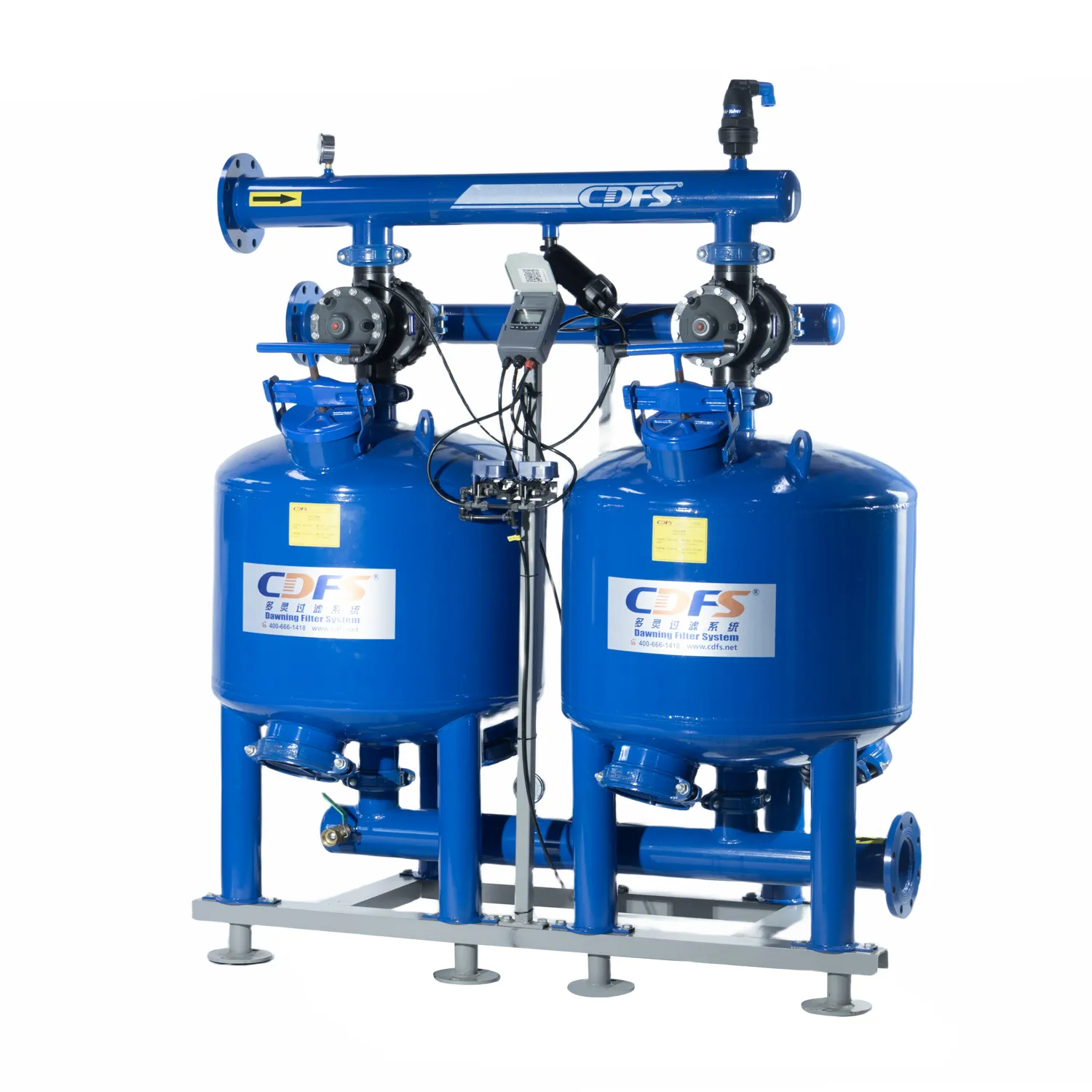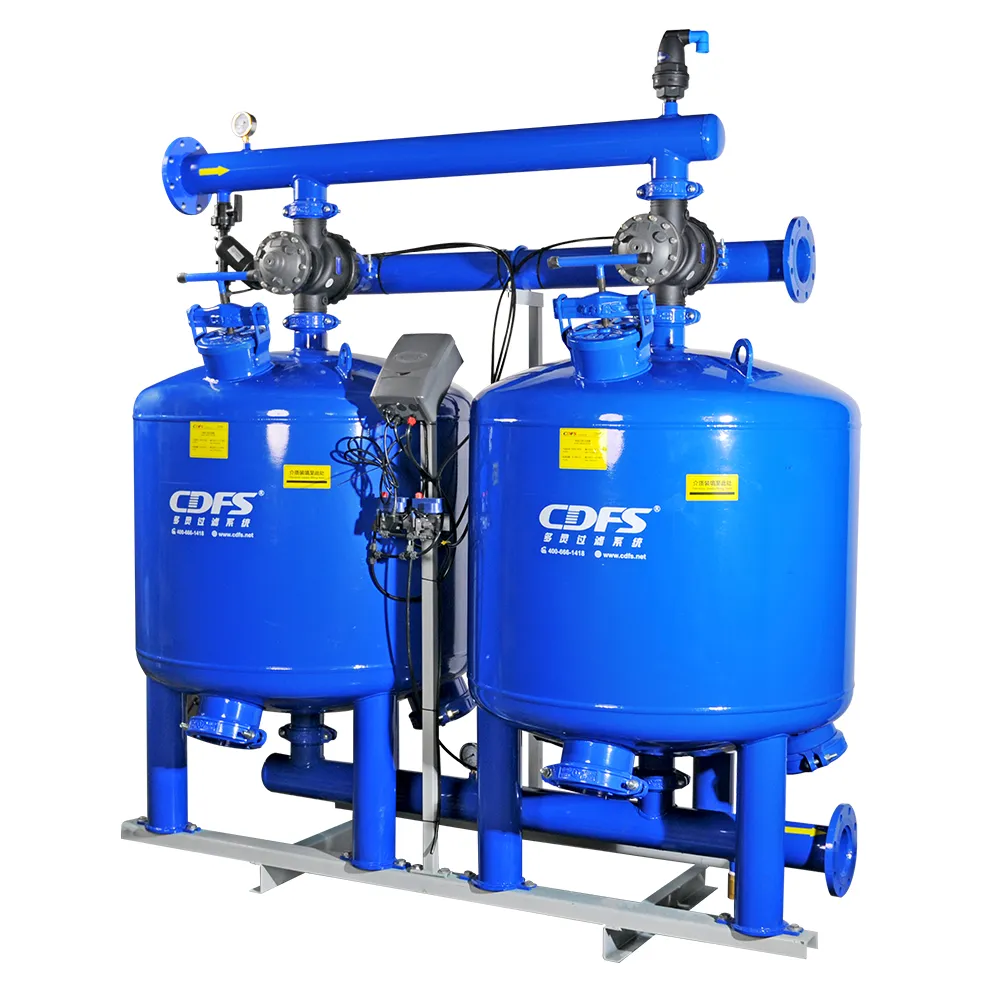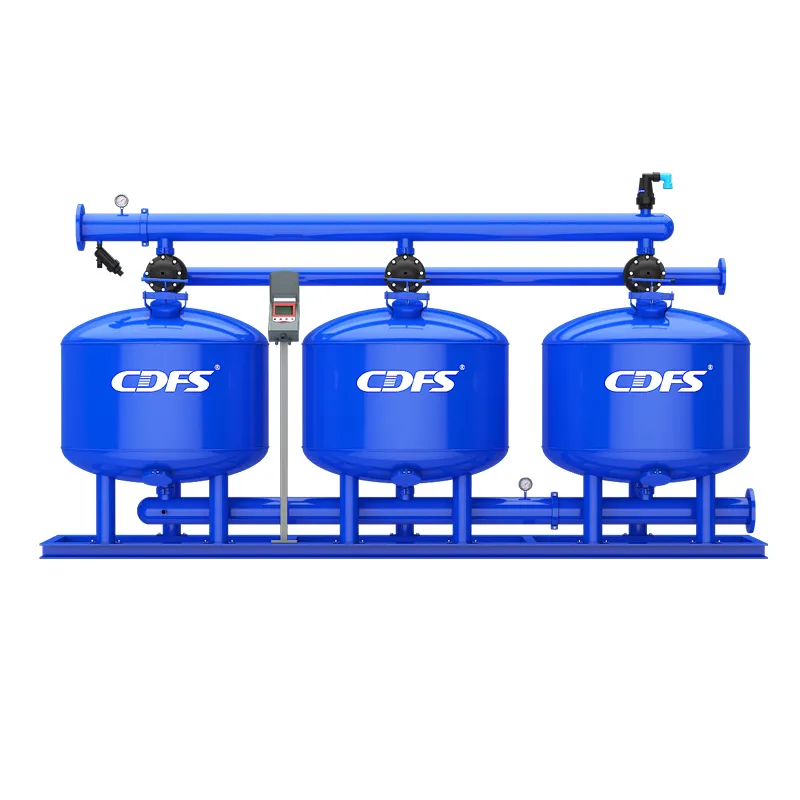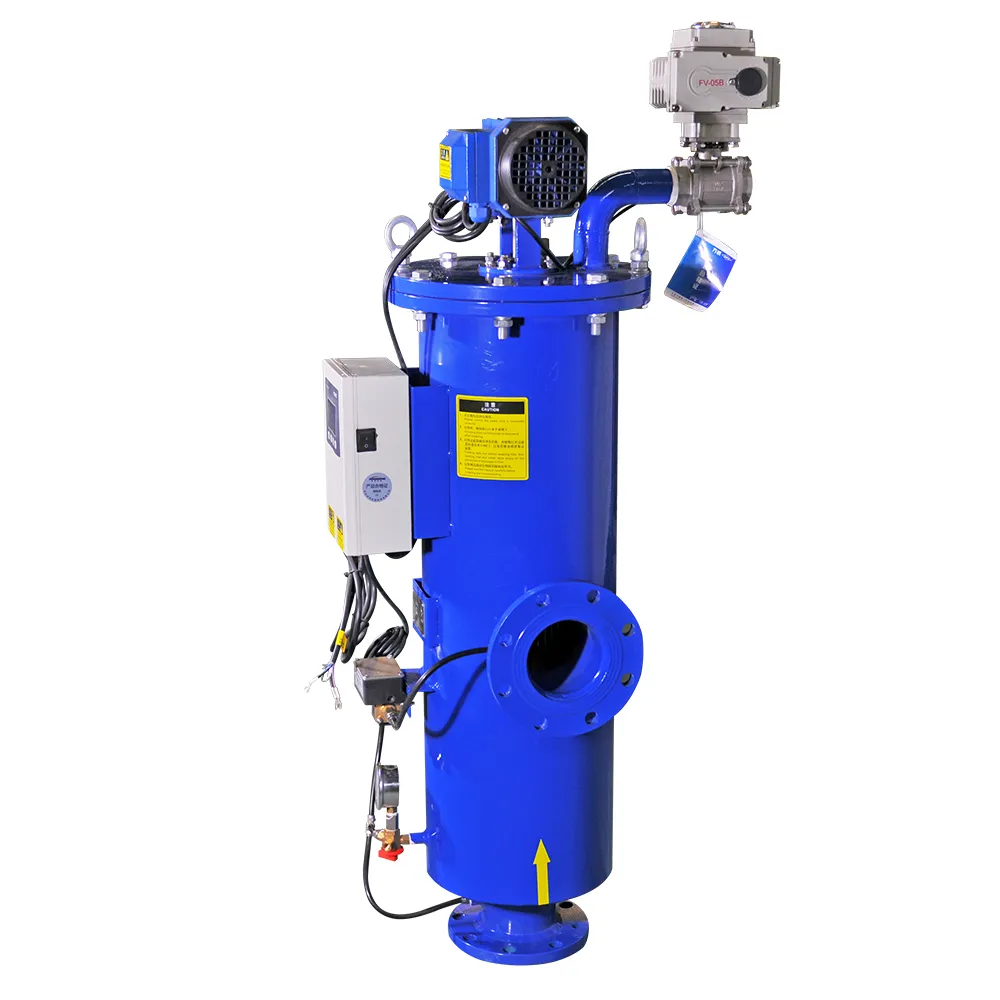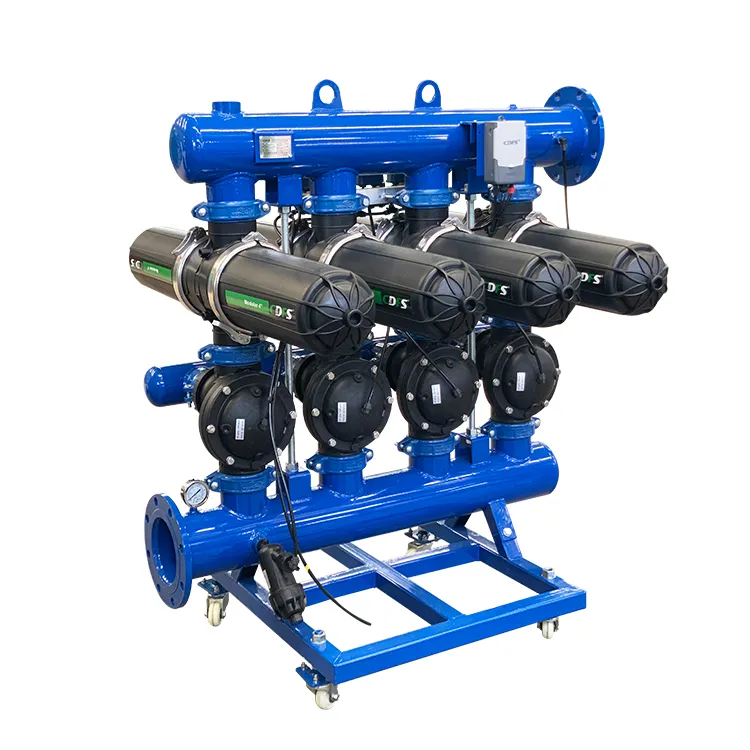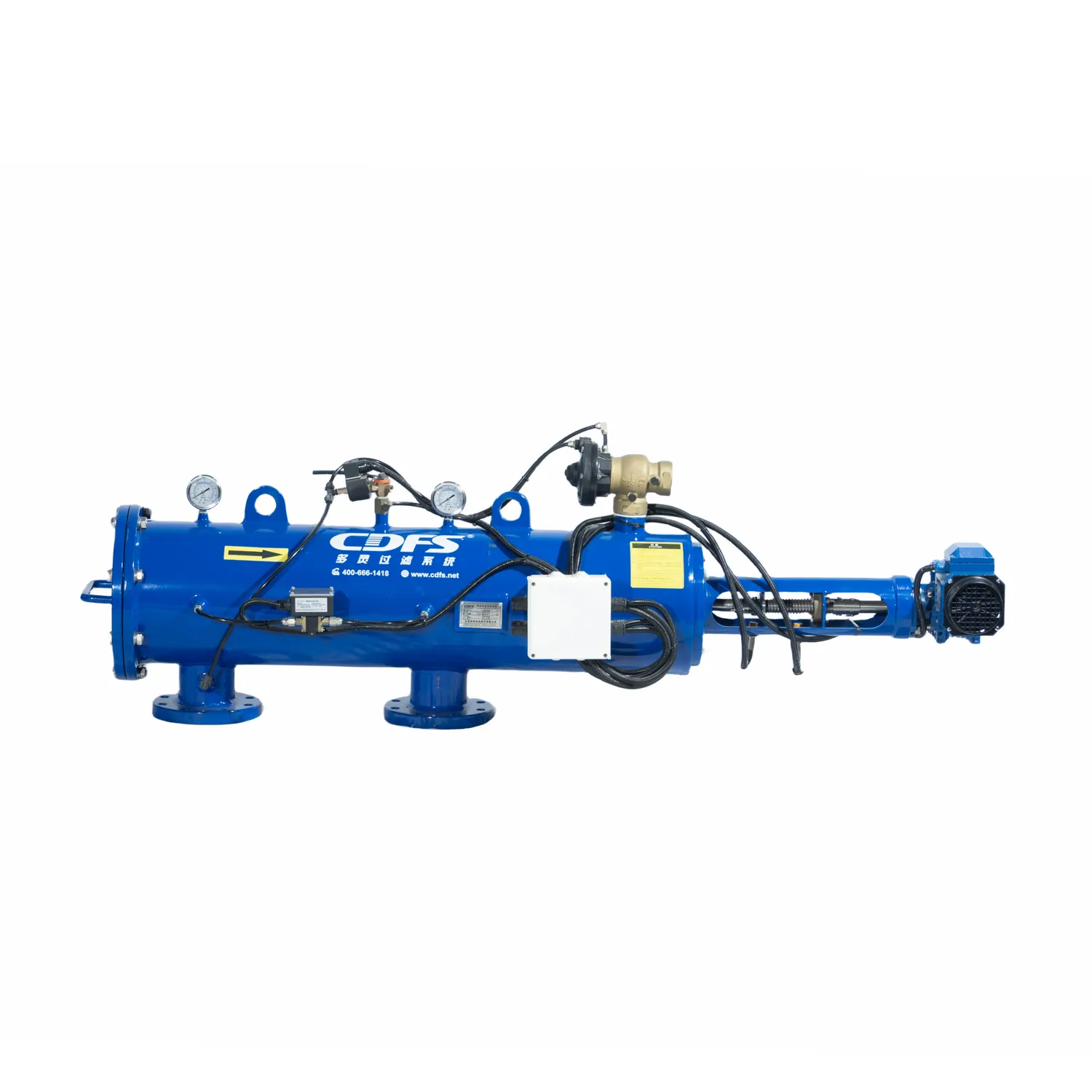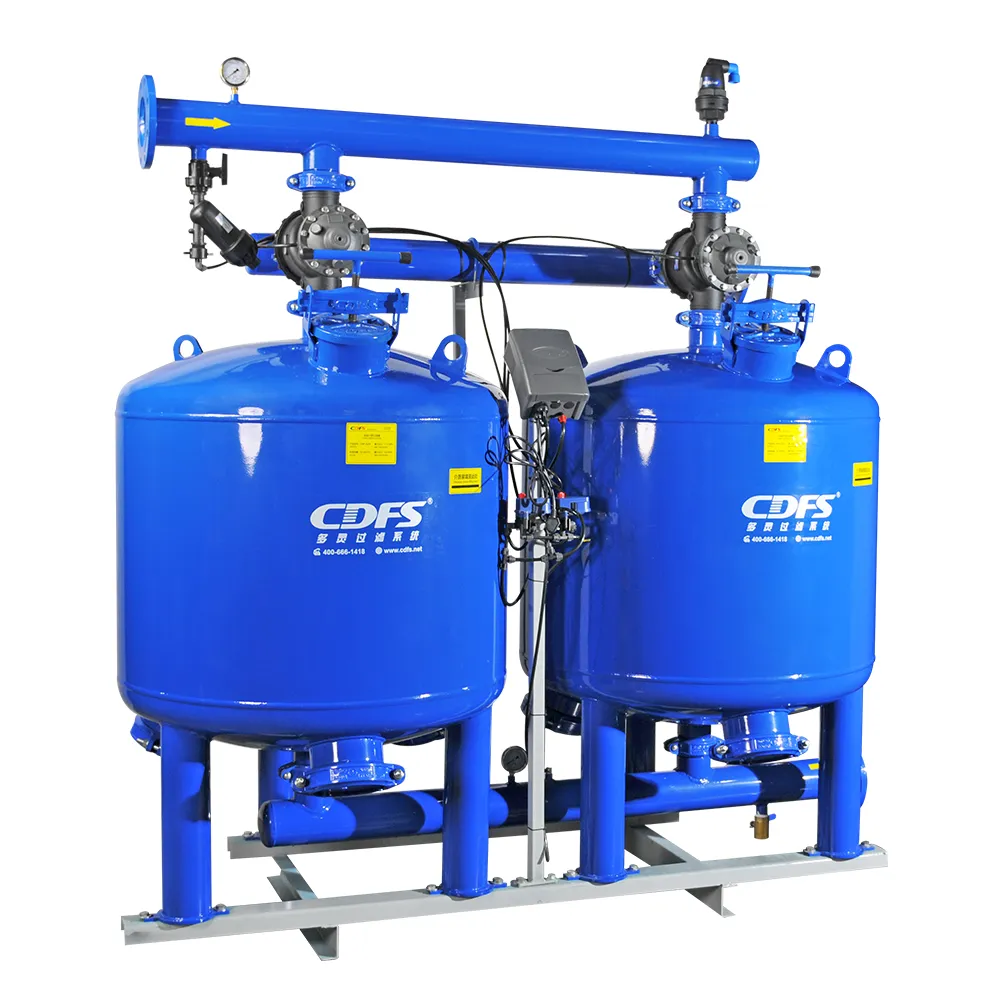
Integration with smart irrigation systems makes irrigation water purifier even more effective. When paired with sensors and automation controls, they allow for real-time monitoring and adaptive cleaning cycles. This results in enhanced efficiency, reduced manual effort, and more consistent water quality throughout all phases of irrigation.
Compact irrigation water purifier models are designed for space-limited environments such as greenhouses or urban farms, offering high filtration capacity without requiring extensive installation space. This makes them ideal for modern agricultural setups focused on maximizing production efficiency within constrained areas.
Q: What role does media size and layering play in the efficiency of irrigation filter? A: The size and layering of media within irrigation filter are critical for optimizing filtration. Larger media particles on top allow for effective removal of bigger debris, while finer particles below capture smaller suspended solids, resulting in comprehensive water purification. Q: How do irrigation filter compare to other filtration systems in terms of cost and maintenance? A: Irrigation filter generally offer a cost-effective solution with moderate maintenance requirements. Their backwashable design reduces the need for frequent media replacement, and their simplicity makes them easier to operate compared to more complex filtration technologies. Q: Are irrigation filter suitable for removing biological contaminants? A: While primarily designed to remove suspended solids, irrigation filter may also reduce some microorganisms attached to particles; however, biological treatment processes such as chlorination or UV treatment are usually required for thorough pathogen removal. Q: What operational parameters are important to monitor in irrigation filter? A: Key parameters include flow rate, pressure differential across the filter bed, and backwash frequency. Monitoring these helps maintain optimal filtration efficiency and prevents damage or clogging in the system. Q: How does water temperature affect the performance of irrigation filter? A: Water temperature can influence filtration efficiency and backwashing effectiveness. Extremely cold water may slow filtration rates and biological activity, while higher temperatures may increase rates but also affect media stability over time. Proper design accounts for expected temperature ranges.
This irrigation filter does a great job intercepting sand and algae. It stabilizes water flow and ensures even distribution, which has helped our crops grow healthier.
Very effective at removing impurities between 50-500 microns. The water flow remains consistent, and the filter is easy to operate with minimal downtime.
To protect the privacy of our buyers, only public service email domains like Gmail, Yahoo, and MSN will be displayed. Additionally, only a limited portion of the inquiry content will be shown.
Interested in a durable irrigation filter that improves water absorption for crops and reduces water...
Can your irrigation filters be automated for timer-based backwashing? Looking for solutions to reduc...



 EN
EN
 FR
FR
 NL
NL
 RU
RU
 AR
AR
 VI
VI
 LO
LO
 RO
RO
 TH
TH
 MY
MY
 MS
MS
 PT
PT
 ES
ES
 KO
KO
 BE
BE
 JA
JA
 FIL
FIL
 KA
KA
 DE
DE
 IT
IT